How data freshness works across AI platforms, and why the rules are completely different from organic search.
There’s a question that comes up constantly when brands start paying attention to their AI visibility: “Why is ChatGPT saying something about us that isn’t true anymore?”
Or the flip side: “Why doesn’t Perplexity know about the product we launched three months ago?”
If you’ve spent years mastering Google SEO, these discrepancies feel like a bug. In reality, they are a feature of how Large Language Models (LLMs) are built. The answer is data freshness : but not in the way most SEOs think about it.
The rules that govern how current your brand appears in AI answers are fundamentally different from the rules that govern Google rankings. Confusing the two leads to a strategy that misses the mark on both fronts.
How Organic Search Handles Freshness (The Old Way)
Google’s freshness model is well understood. Googlebot crawls your pages on a schedule, indexes the content, and the search results reflect what was on your site when it was last crawled.
For most sites, that happens within a few days to a few weeks. If you change your title tag today, it will likely show up in search results within a week. Publish a new page, get it indexed, and it can rank within days if the authority signals are right.
The freshness signal in organic search is essentially a timestamp. Google knows when it crawled your content, how often the content changes, and it weights recency accordingly for queries where freshness matters: like breaking news or current events.
The mental model is simple: crawl, index, rank. The pipeline is continuous and the lag is measured in days.

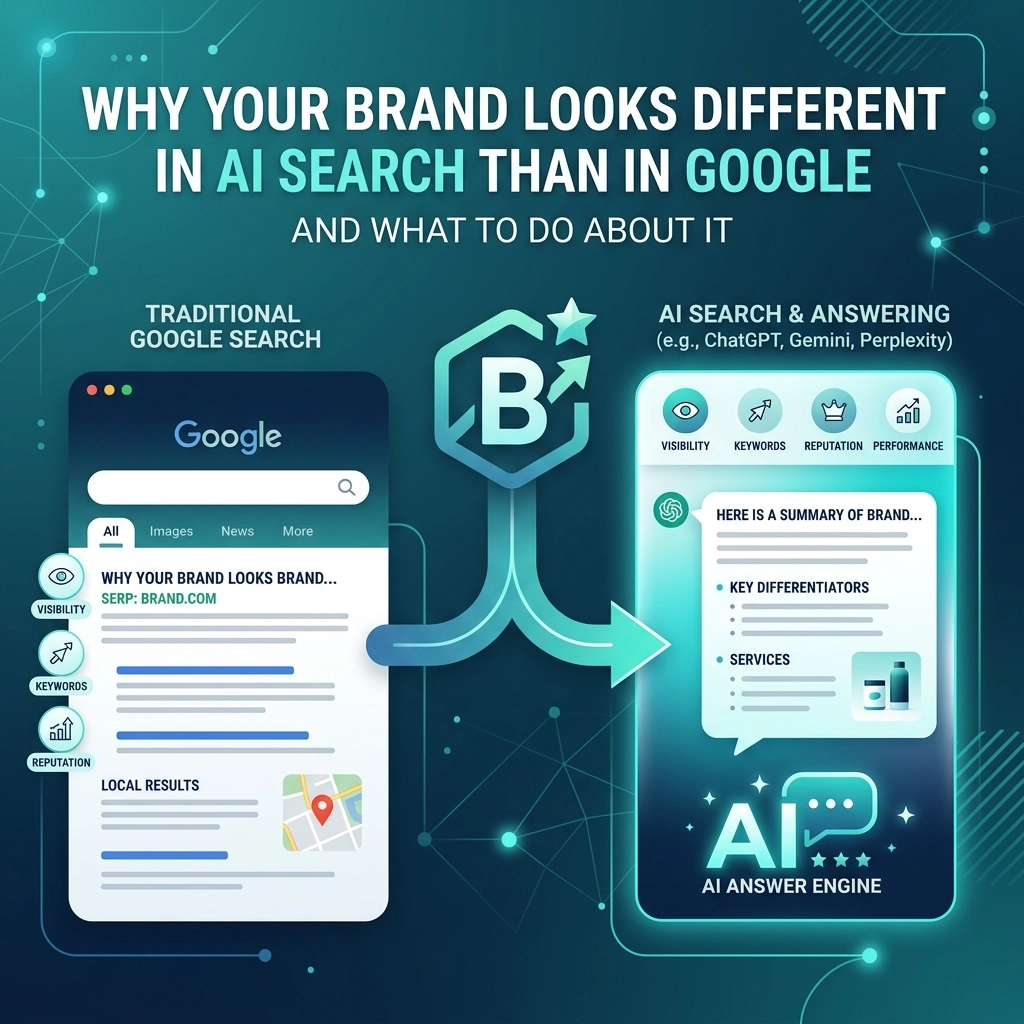
Visualizing the Freshness Gap: Traditional Google Crawling vs. AI Training Cycles
AI Systems Handle Freshness as Two Separate Problems
AI assistants have a freshness problem that’s actually two completely separate issues layered on top of each other. Treating them as one is the source of most bad AI visibility advice.
Problem 1: Training Data Cutoff
Every large language model was trained on a snapshot of the internet that was frozen at a specific point in time. After that cutoff date, the model has no knowledge of anything that happened.
This isn’t a crawl lag of days or weeks: it’s a gap of months to years.
- GPT-4 has a cutoff.
- Claude has a cutoff.
- Gemini has a cutoff.
When these models answer from their training weights alone, they are drawing on knowledge that may be 12 to 24 months old. For your brand, this is massive. If you rebranded, launched a new product line, or changed your pricing in the last year, many AI models simply don’t know about it. They aren’t lying to your customers; they literally don’t have the information in their “brain.”
Problem 2: Retrieval Freshness (RAG)
Some platforms don’t just answer from training data. They search the web first, pull current documents, and then generate a response grounded in what they found. This is called Retrieval-Augmented Generation (RAG).
For these platforms, the freshness model is much closer to organic search. If your content is indexed and retrievable, the AI can cite it today.
These two problems require completely different solutions. Optimizing for training data visibility is a long game measured in quarters. Optimizing for retrieval visibility is measured in days. Why traditional SEO isn’t enough for the AI era comes down to this exact distinction.
The Three Architectures : and Why They Matter for Your Brand
Not all AI platforms work the same way. Understanding the architecture tells you how to think about freshness on that specific platform.
1. RAG-First Platforms (The “Real-Time” Engines)
Perplexity is the clearest example. Every query triggers a live web search. The model retrieves current documents and grounds its response in them. If your content is indexed and authoritative, Perplexity can cite it today.
Google AI Overviews (AIO) work similarly. Because they are baked into Google’s search index, they draw on real-time data. Your Google Search Console data and indexing status still matter here.
The Playbook: Keep content fresh, ensure it’s indexed, and make it clearly authoritative. This is where Generative Engine Optimization (GEO) lives.
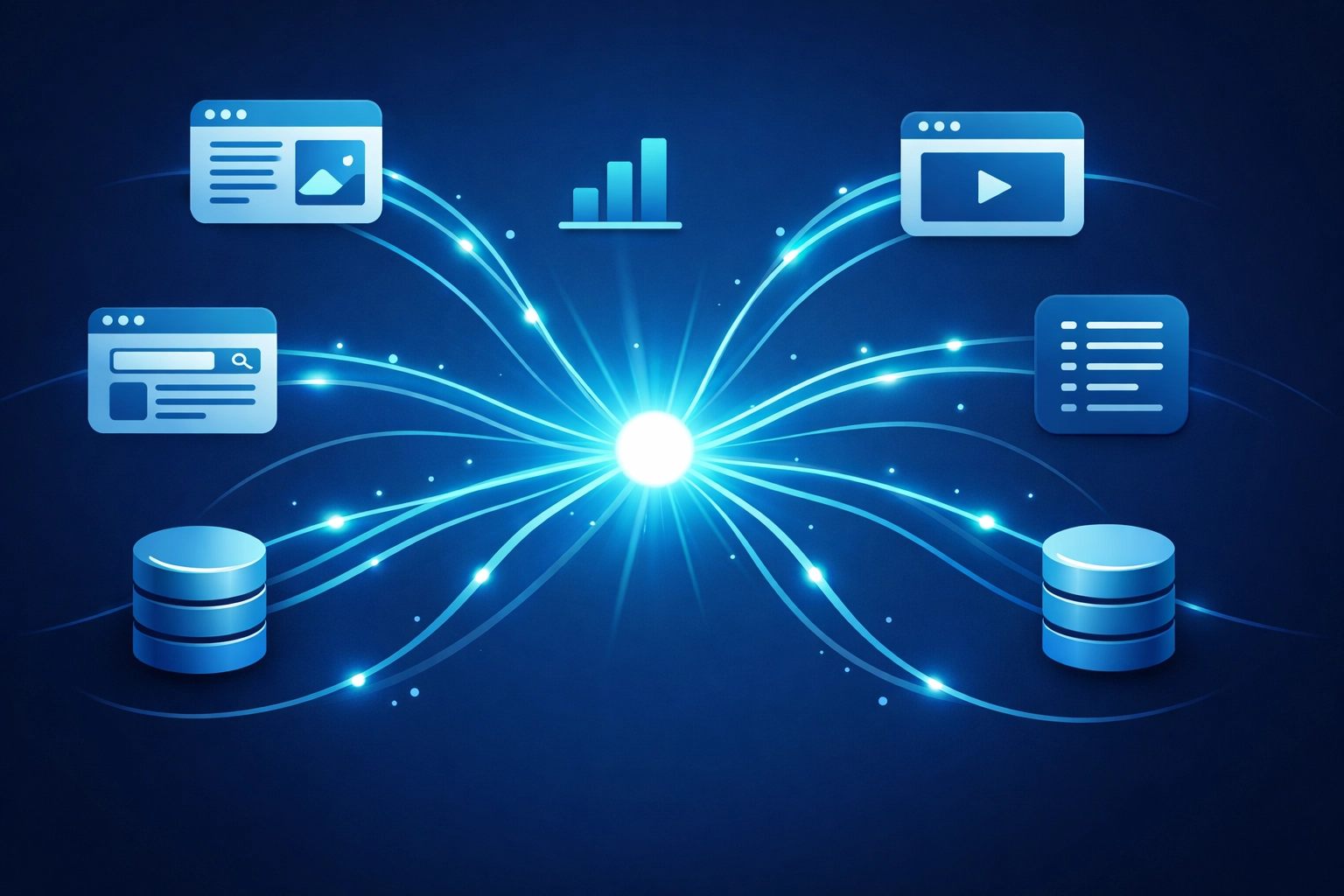
How RAG-First Platforms Bridge the Gap Between Live Web Data and AI Answers
2. Hybrid Platforms (The “Contextual” Engines)
ChatGPT and Microsoft Copilot operate in hybrid mode. Depending on the query, the model might search the web, or it might just answer from its training data.
When it doesn’t search, the response comes from those 12-month-old weights. Any sources it mentions then are often “post-hoc rationalizations”: the model trying to justify what it already “knew.”
The Playbook: You need two tracks. Optimize for retrieval so you show up when it searches, but also build long-term authority in the sources that feed AI training pipelines (like Wikipedia or major industry journals).
3. Training-Data-First Platforms (The “Knowledge” Engines)
Claude, in its base configuration, doesn’t browse the web. It draws entirely on its training snapshot. For these platforms, “freshness” is irrelevant in the short term.
The Playbook: This is a content authority play. You aren’t trying to get crawled; you’re trying to be so dominant in your niche that you are a core part of the next training set.
Why Your Brand “Feels” Different in AI Search
It’s not just about the date of the data; it’s about the philosophy of the engine.
Recent research shows a fundamental split: AI engines frame brands as solutions, while Google frames them as competitors.
- ChatGPT positions brands as “helpers.” It uses functional language (offers, provides, enables) in 13% of its answers. It wants to tell the user what you can do for them.
- Google AI Overviews focus on competitive positioning. They use that functional language in only 4% of answers, instead anchoring brands in price comparisons and market rank.
ChatGPT functions like a digital marketplace, showing 10 or more brands in 44% of shopping queries. Google is a selective editor, showing 10+ brands in only 5% of queries. This is why you might look like a “top-tier helper” in ChatGPT but just “one of many options” in Google.

The Consideration Gap: How AI Summaries Reshape the Brand Discovery Journey
How CiteMetrix Approaches the Freshness Problem
Because these architectures are so different, we don’t treat “AI Visibility” as a single, vague number. CiteMetrix tracks them separately.
When we measure whether your brand is cited by Perplexity versus Claude, we’re looking at two different worlds:
- A Perplexity citation means your real-time content optimization is working.
- A Claude citation means your long-term brand authority is solidified in the training data.
This distinction is critical for accuracy monitoring. When CiteMetrix detects a hallucination: something an AI is saying about you that isn’t true: the platform it’s happening on tells us why.
A hallucination on Perplexity is usually a retrieval problem (it found a bad source). A hallucination on Claude is a training data problem (it learned something wrong a year ago). Knowing the difference is the only way to fix it. When AI hallucinates your brand, you need a specific remediation strategy, not just a content update.
Your AI Visibility Strategy Checklist
To win in this new landscape, you have to move beyond keywords and start thinking about entities and citations.
- For Retrieval Platforms: Treat this like high-speed SEO. Ensure your pricing, product descriptions, and positioning are crystal clear on your site. If the AI can’t parse it quickly, it won’t cite it.
- For Training-Data Platforms: Invest in the “source of truth.” Earn coverage in major publications, maintain an active and accurate Wikipedia presence, and get mentioned on authoritative industry sites. These are the “textbooks” the models learn from.
- For Accuracy: Monitor continuously. The rules change as these platforms update. Perplexity might change its retrieval algorithm tomorrow; GPT-5 might have a much more recent cutoff.
AI has become the “first-impression machine.” 44% of users now prefer AI summaries to traditional search. If your brand is invisible in those summaries, you aren’t just losing a rank: you’re losing the chance to even be considered.
The brands that win at AI visibility will be the ones tracking it consistently enough to notice when the rules change.
Ready to see what the models actually think of you?
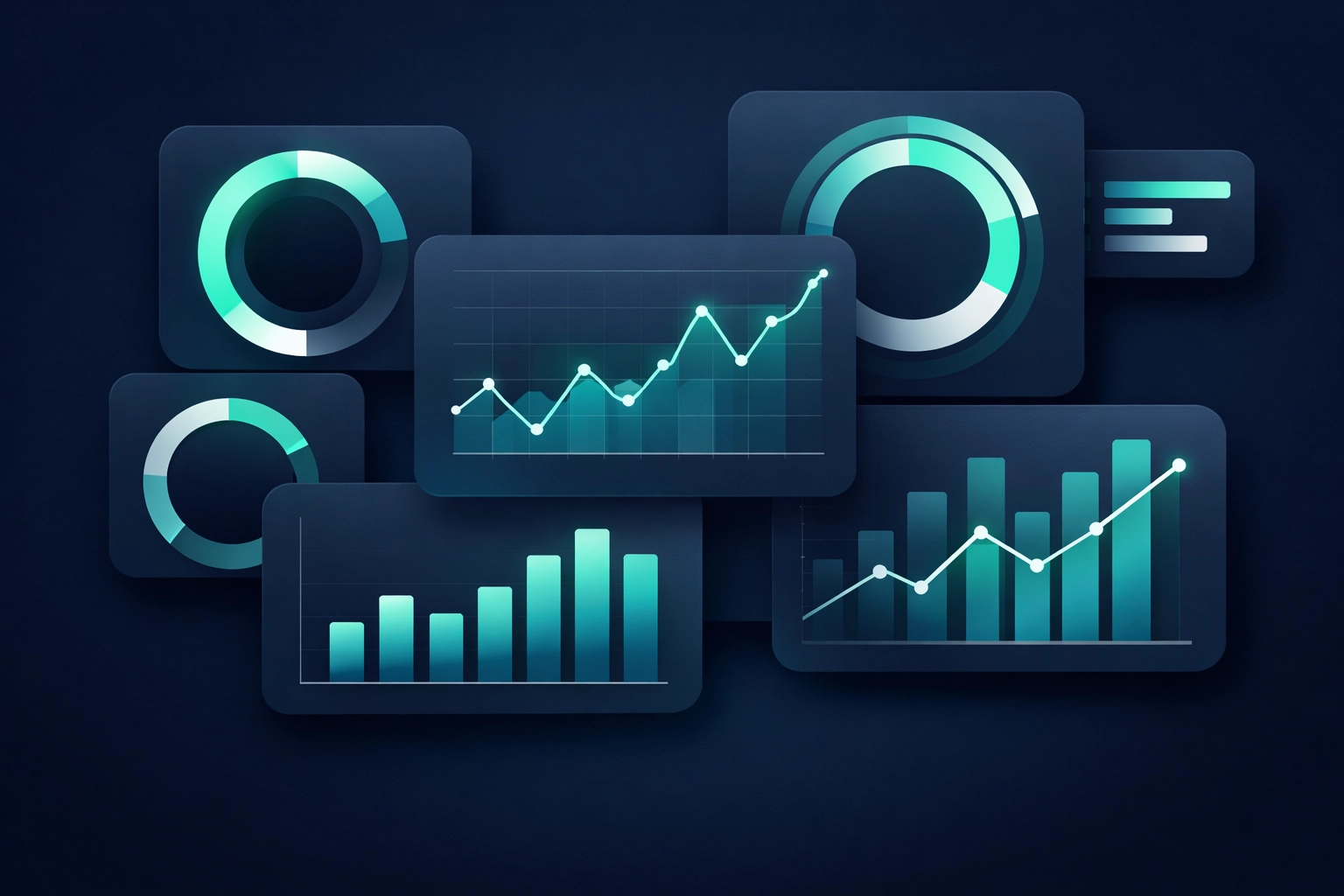
The CiteMetrix Dashboard: Tracking ModelScore™ and Citations Across AI Platforms
Get your ModelScore → citemetrix.com