You've got your SEO checklist down. Keywords, backlinks, page speed: check, check, check.
But here's the thing: AI search is a different game. And in 2026, if you're not optimizing for ChatGPT, Perplexity, Gemini, and Copilot, you're leaving visibility (and revenue) on the table.
This checklist is your practical, no-fluff guide to getting your brand cited by AI assistants. Print it. Bookmark it. Work through it section by section.
Let's get into it.
Phase 1: Audit Your Current AI Visibility
Before you optimize anything, you need to know where you stand. You can't improve what you don't measure.
✅ Define Your Priority Keywords and Prompts
Pull 50–200 of your highest-value keywords from:
- Google Analytics 4 revenue data
- Google Search Console (high-intent queries)
- Your core product/service categories
These aren't just SEO keywords anymore. They're the foundation for the prompts people type into AI assistants.
Think: "What's the best [your category] for [use case]?"
✅ Check Your AI Visibility Baseline
Ask the big AI platforms about your brand and category:
- ChatGPT
- Perplexity
- Google Gemini
- Microsoft Copilot
- Claude
Record what happens. Are you mentioned? Are competitors mentioned instead? Is the information accurate?
This manual spot-check gives you a gut sense of where you stand: but it doesn't scale.
✅ Set Up Automated Tracking
Manual checks are a starting point. But AI answers change constantly. You need ongoing monitoring.
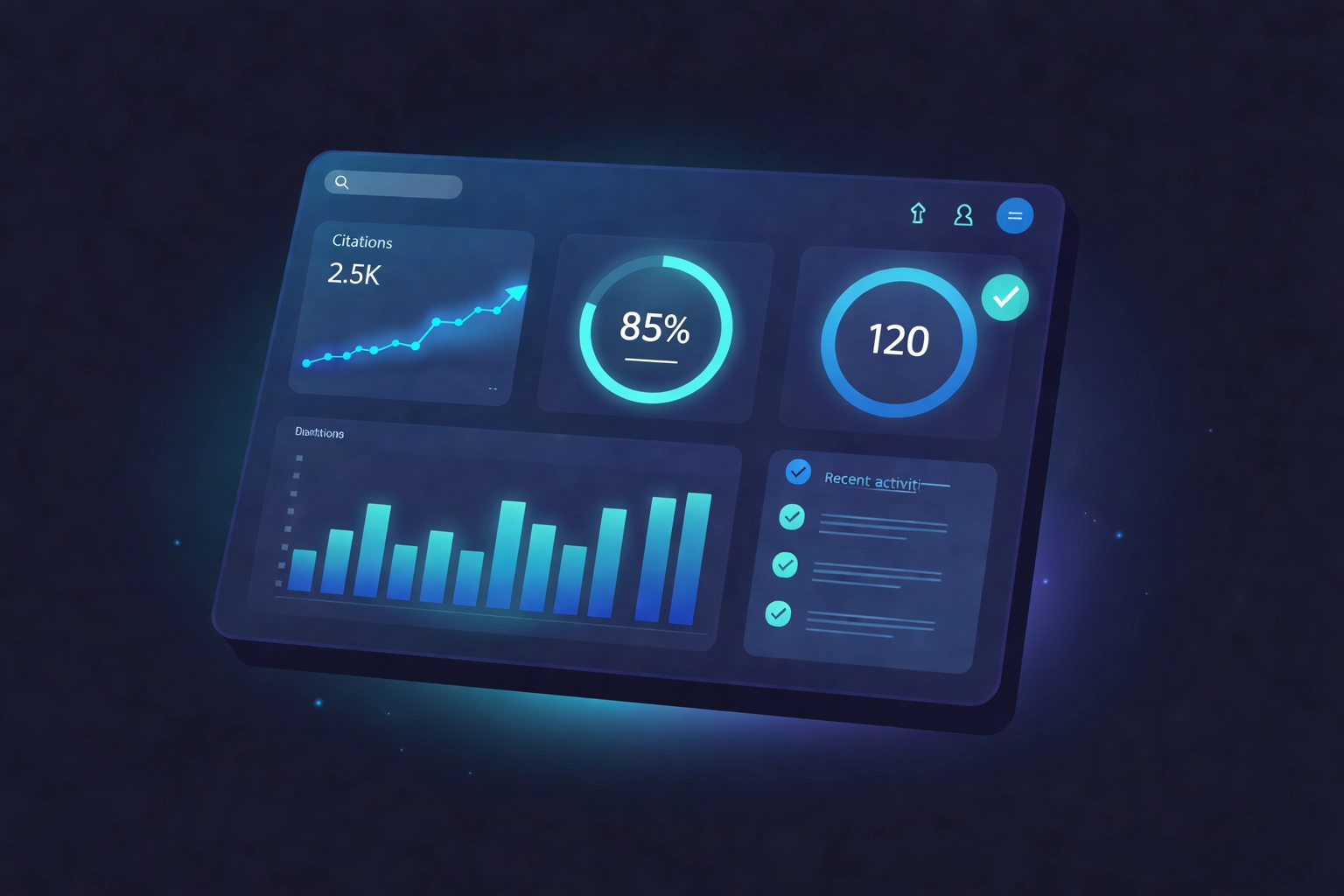
This is where CiteMetrix comes in. It tracks your citations across AI platforms automatically, so you always know when you're mentioned: and when you're not.
✅ Identify Your Visibility Gaps
Look for patterns:
- Keywords where you rank well in Google but don't appear in AI answers
- Topics where competitors get cited instead of you
- Third-party sites (review sites, marketplaces) that AI trusts more than your domain
Cluster these gaps by product line or use case. This becomes your optimization roadmap.
Phase 2: Technical Readiness
AI systems need to be able to crawl, understand, and trust your content. Here's how to make sure your technical foundation is solid.
✅ Verify AI Crawlers Can Access Your Site
Check your robots.txt file. Some brands accidentally block AI crawlers without realizing it.
Look for user agents like:
- GPTBot (OpenAI)
- Google-Extended (Gemini)
- Anthropic-ai (Claude)
- PerplexityBot
If you're blocking them, you're invisible to them. Simple as that.
✅ Implement llms.txt
This is the new standard for telling AI systems what your site is about.
Think of llms.txt like robots.txt, but for large language models. It helps AI understand your site structure, key pages, and how to cite you accurately.
Not sure how to set it up? We've got a guide coming soon.
✅ Add Schema Markup to Key Pages
Structured data helps AI systems understand your content with confidence.
Prioritize these schema types:
- Organization (who you are)
- Product (what you sell)
- FAQ (common questions and answers)
- HowTo (step-by-step processes)
- Article (for blog content)
Use Google's Rich Results Test to validate your markup.
✅ Ensure Fast, Clean Page Experience
AI systems prefer content from sites that meet quality standards:
- Fast load times
- Mobile-friendly design
- Clear navigation
- No intrusive interstitials
Good UX isn't just for humans anymore.
Phase 3: Content Optimization
Your content is what actually gets cited. Here's how to structure it so AI systems can easily extract and quote you.
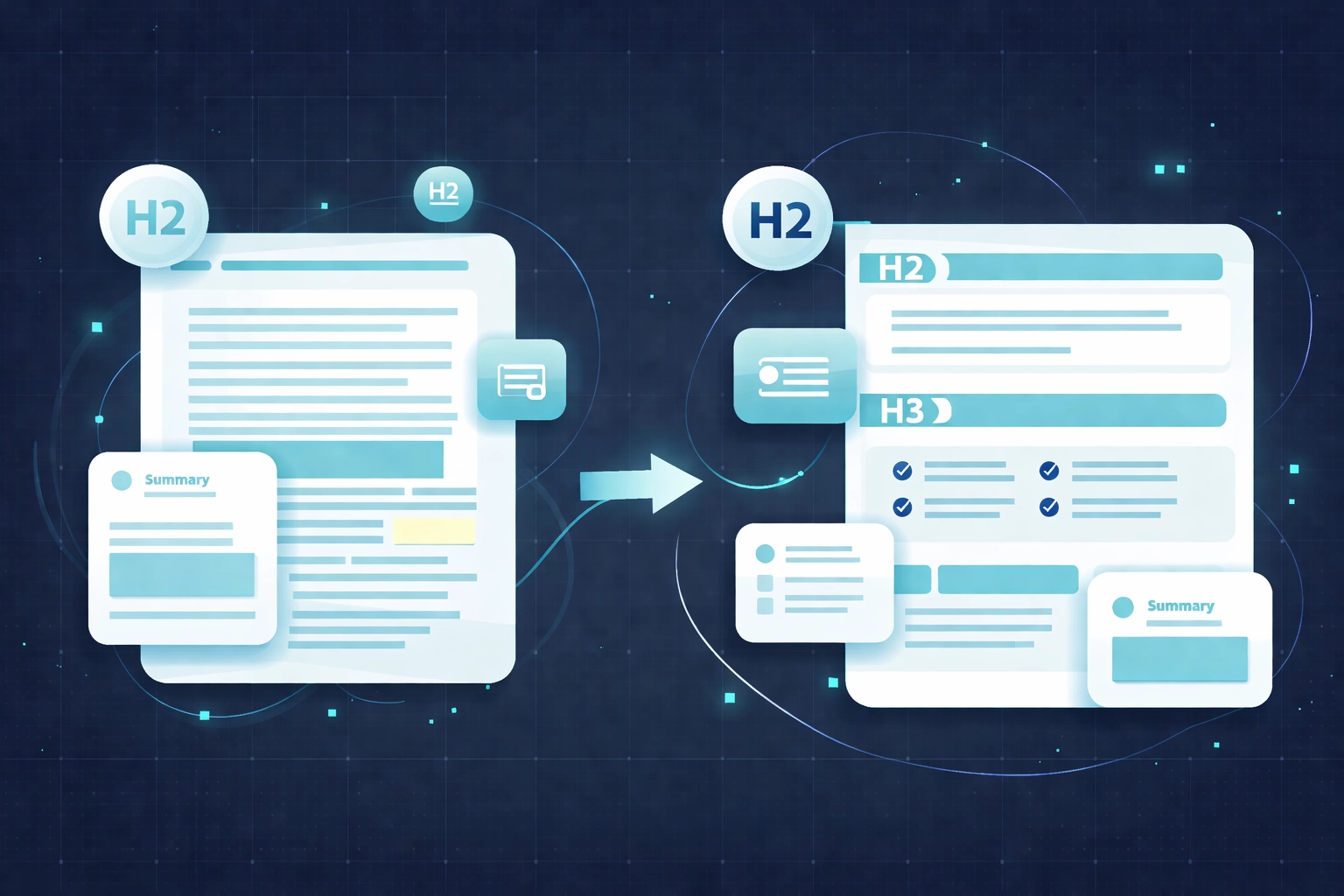
✅ Structure Content for AI Extraction
AI loves content that's easy to parse:
- Clear H2 and H3 headings
- Bullet points and numbered lists
- Short paragraphs (2-4 sentences)
- Definitions and summaries at the start of sections
If a human scanning your page can find the answer in 5 seconds, AI probably can too.
✅ Use "Answer-First" Formatting
Don't bury the lead. Put your key answer or definition at the beginning of each section, then expand on it.
AI systems often pull the first sentence or two under a heading. Make those sentences count.
✅ Include Clear, Verifiable Claims
AI systems are trained to prefer content with:
- Specific statistics and data points
- Named sources and citations
- Clear definitions
- Recent publication dates
Vague claims don't get cited. Specificity wins.
✅ Build Topical Authority
One blog post won't cut it. AI systems trust sites that demonstrate deep expertise on a topic.
Build content clusters:
- One pillar page covering the topic comprehensively
- Multiple supporting articles going deeper on subtopics
- Strong internal linking between related content
This signals to AI that you're a legitimate authority.
✅ Update High-Performing Content
Your best content needs regular maintenance:
- Add missing question headings
- Update statistics and facts
- Clarify definitions
- Strengthen the sections that get quoted most
Set a quarterly review cycle for your top 20 pages.
Phase 4: Authority Building
AI systems don't just look at your site. They look at what the rest of the internet says about you.
✅ Ensure Entity Consistency
Your brand information should be consistent across:
- Your website
- Social profiles
- Business listings (Google Business, Yelp, etc.)
- Wikipedia (if applicable)
- Industry directories
Inconsistent information confuses AI systems and weakens your entity recognition.
✅ Earn Third-Party Citations
AI systems trust external validation. Aim for at least one new credible mention per month from:
- Industry publications
- Review sites
- Niche blogs
- Podcasts (with show notes)
- Guest posts on authoritative domains
The more places AI sees your brand mentioned positively, the more likely it is to cite you.
✅ Monitor Your Brand Sentiment
It's not enough to be mentioned. You need to be mentioned well.
Track whether AI responses frame your brand positively, negatively, or neutrally. If there's a sentiment problem, you need to know: and address it.
CiteMetrix tracks citation sentiment automatically, so you can catch issues before they spread.
Phase 5: Ongoing Monitoring and Reporting
AI visibility isn't a one-time project. It's an ongoing practice.
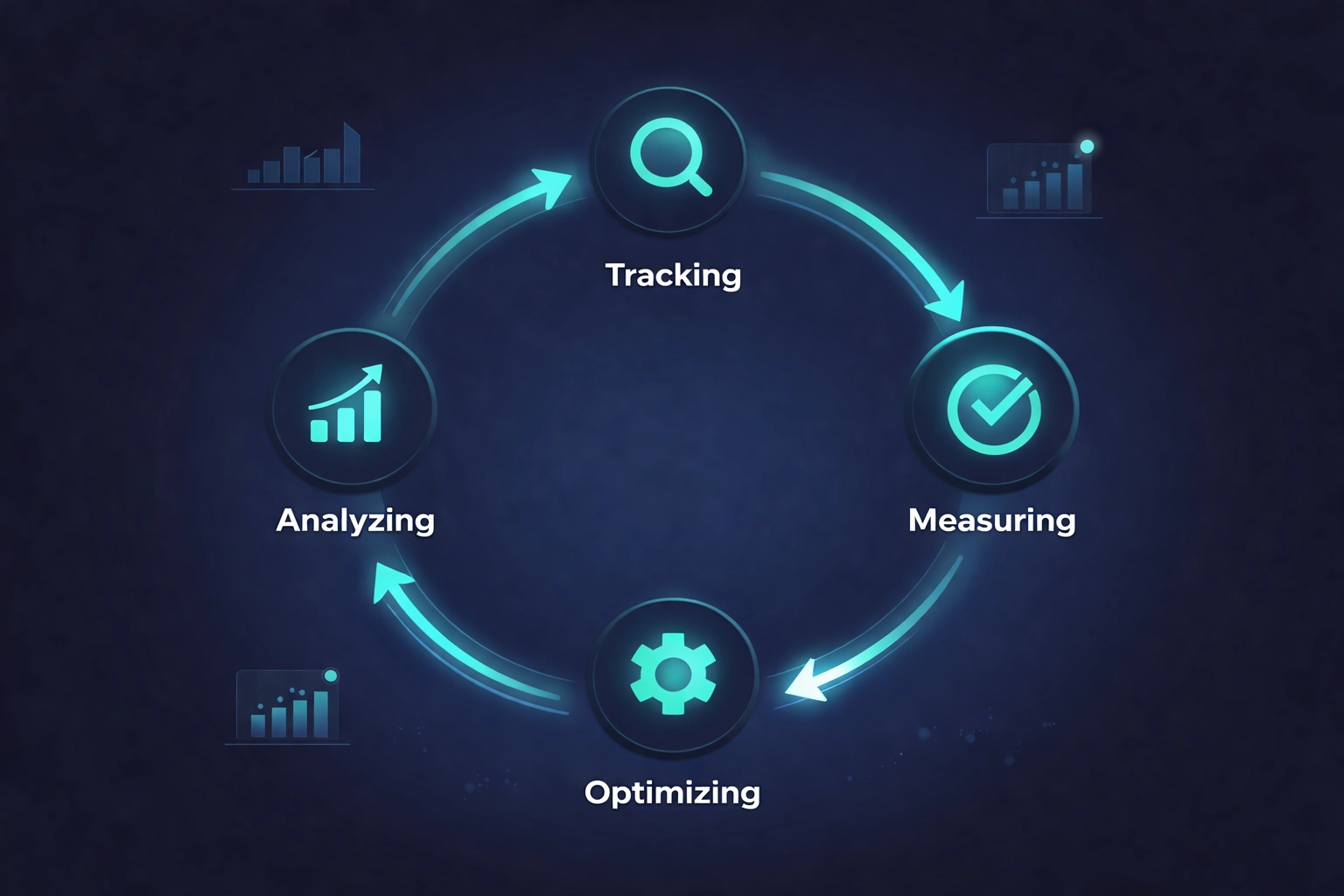
✅ Track Your Key Metrics Monthly
Build a monthly report that includes:
- Citation frequency: How often are you mentioned?
- Share of voice: How do you compare to competitors?
- ModelScore: Your overall AI visibility health
- Traffic from AI referrals: Are citations driving visits?
- Branded search growth: Are AI mentions increasing brand awareness?
✅ Re-Test Priority Prompts Monthly
AI answers change. A lot.
Pick 10-20 priority prompts and test them monthly across platforms. Document any changes in how you're mentioned (or not mentioned).
✅ Make AI Visibility Part of Content Planning
Use your visibility data to inform what you write next:
- Topics where you're not getting cited but should be
- Questions your audience asks that you haven't answered
- Competitor content that's outperforming yours in AI results
Your editorial calendar should be shaped by AI visibility gaps, not just SEO keyword volume.
✅ QA New Content for AI Visibility
After publishing major content, check how AI systems respond within a few weeks:
- Does the content appear in relevant AI answers?
- Is it cited accurately?
- Is the sentiment positive?
Build this into your post-publish workflow.
Your Next Step
This checklist covers a lot of ground. Don't try to do everything at once.
Start here:
- Audit your current visibility (manually or with CiteMetrix)
- Fix one technical issue (crawlers, llms.txt, or schema)
- Optimize one piece of content using the formatting tips above
- Set up monthly tracking so you can measure progress
AI search visibility is a long game. But the brands that start now will have a massive advantage over those who wait.
Ready to see where your brand stands?